ZenPet
The making of ZenPet.
ZenPet began as pencil sketches in a notebook and a melody played by hand. Every part that stayed was a decision — and most of the decisions were about what to leave out.
01
Why a spirit.
It started on a commuter train, where everyone was looking at a phone. The first idea was a screen-time app: stay off your phone, and a pet grows. But to see the pet, you had to look at the phone. And a pet that grows is a reward — and every reward asks for the next one.
So ZenPet went the other way: not something to gain, but something to set down. A quiet spirit that breathes with you, then falls asleep, and the screen fades to dark on its own. “If it works, one day you won't need ZenPet at all. That is the real goal.”
02 — Sep 26, 2026
It began in a sketchbook.
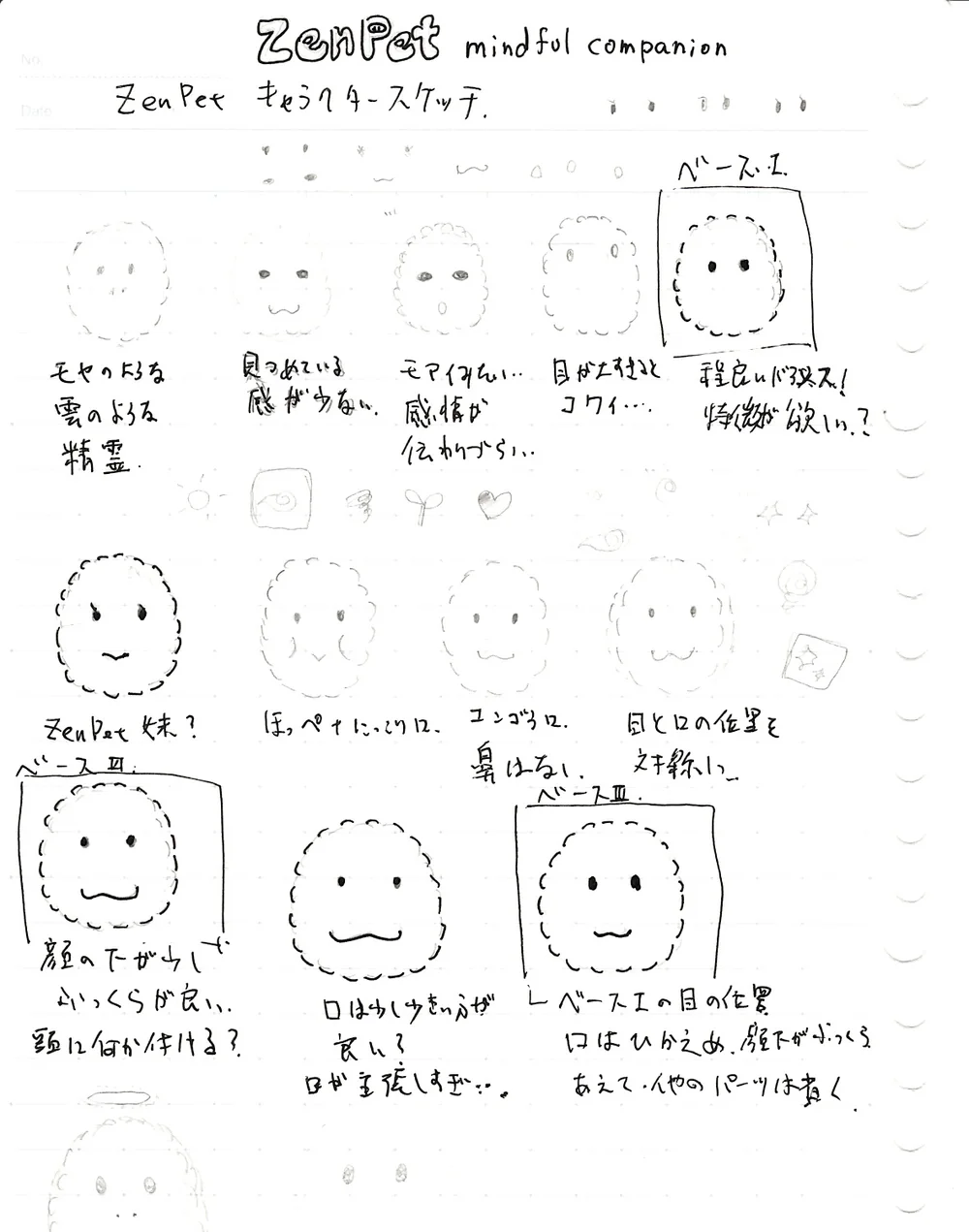
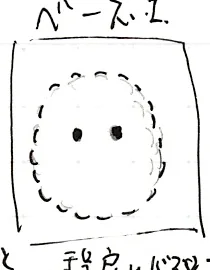
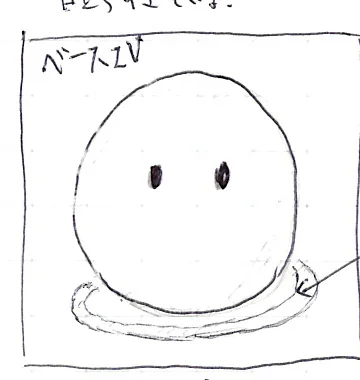
The first page held nine faces — a spirit like mist, like a cloud. Some didn't seem to be looking at you. Some looked like stone statues, hard to read. When the eyes grew large, the face became frightening. Three were kept as bases.
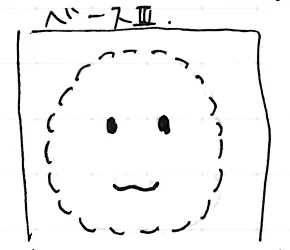
Base II had a unique mouth that was interesting as a character, but it was too prominent. Base III took the eyes of Base I, a quiet mouth, a little fullness below. However, to evoke the mysterious nature of a spirit, Yungo Aartz ultimately chose to hide the mouth entirely.
03 — Oct 1 & Oct 3, 2026
An incomplete circle.
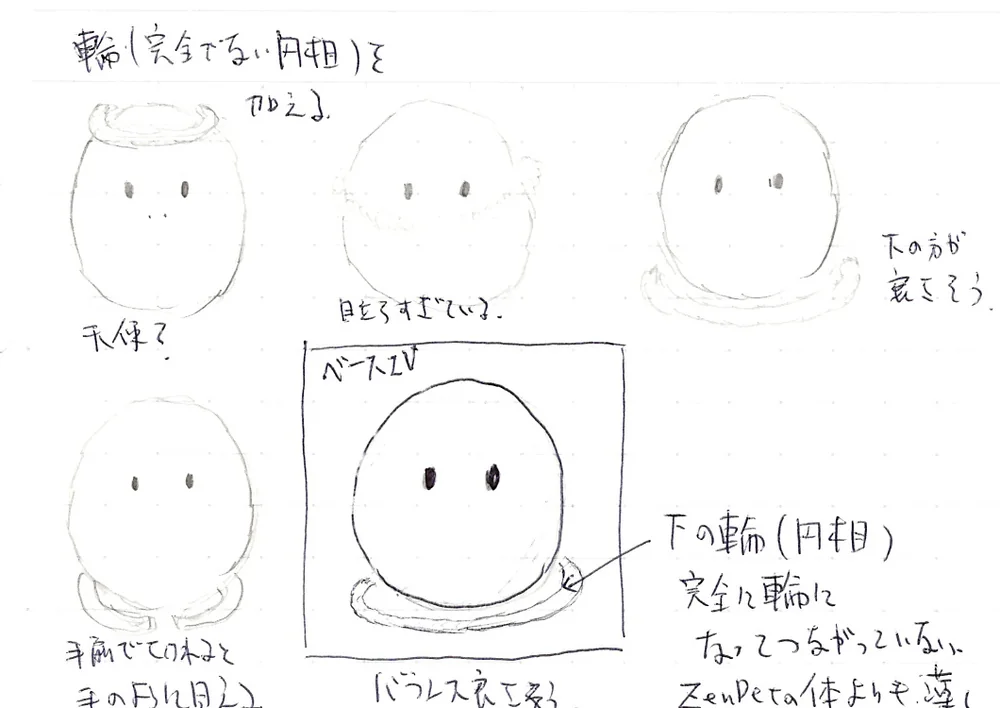
A ring was added, drawn as an ensō — the circle of Zen ink painting that is never quite closed. Above the head, it became a halo. Below the eyes, it stood out. Placing it lower seemed better. With the gap facing forward, it looked like a pair of hands. The ring glows more faintly than the spirit itself, and fades as it passes behind.
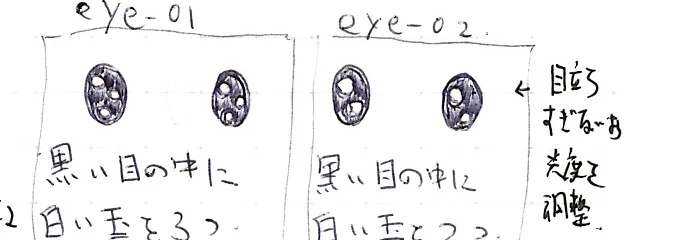
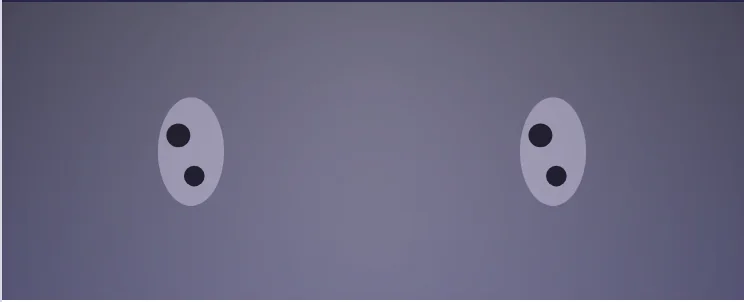
Two days later, the eyes: dark ovals holding small points of light. Three points, then two.
04 — Sep 27 – Oct 15, 2026
From sketch to screen.
Each sketch was rebuilt in code as a working mock-up, with an AI design assistant, and checked on a phone, in the dark, at actual size. Every choice — what to keep, what to change, what to leave out — was made by Yungo Aartz. Nineteen mock-ups later, the spirit was settled.
No outline. No mouth.
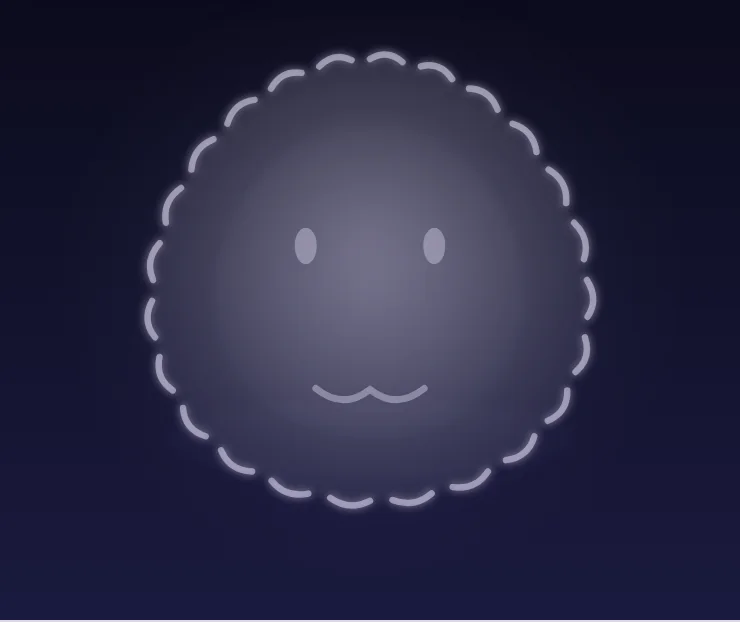
The dashed outline was there to say “misty.” On screen, light could say it instead. The mouth went too: “Without a mouth, the person looking at it can imagine the rest.”
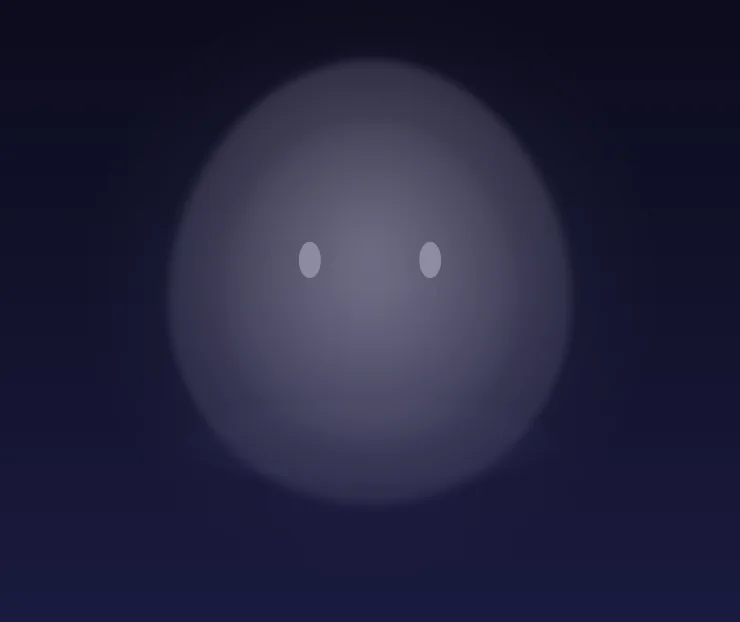
The ring fades first.
As the spirit falls asleep, the ensō dissolves into the dark before the body does. “For a moment only the spirit remains, and your attention gathers there.”
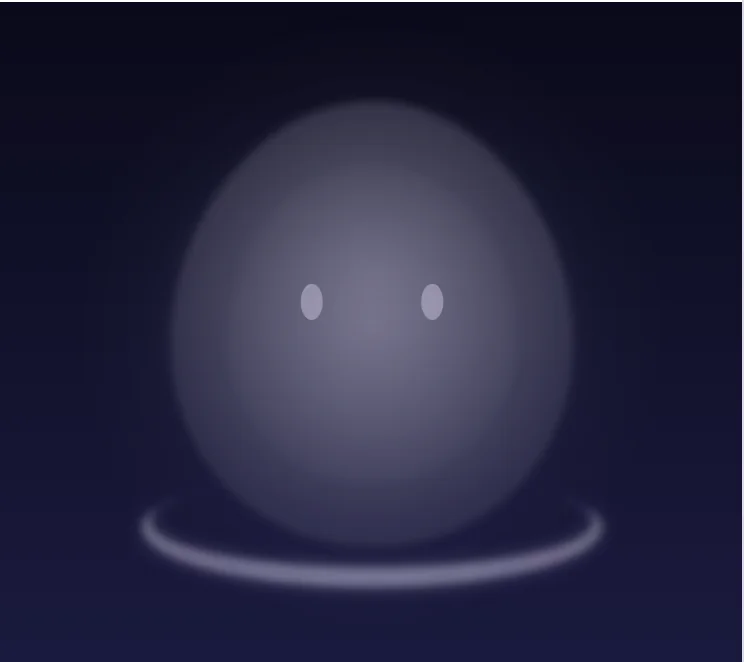
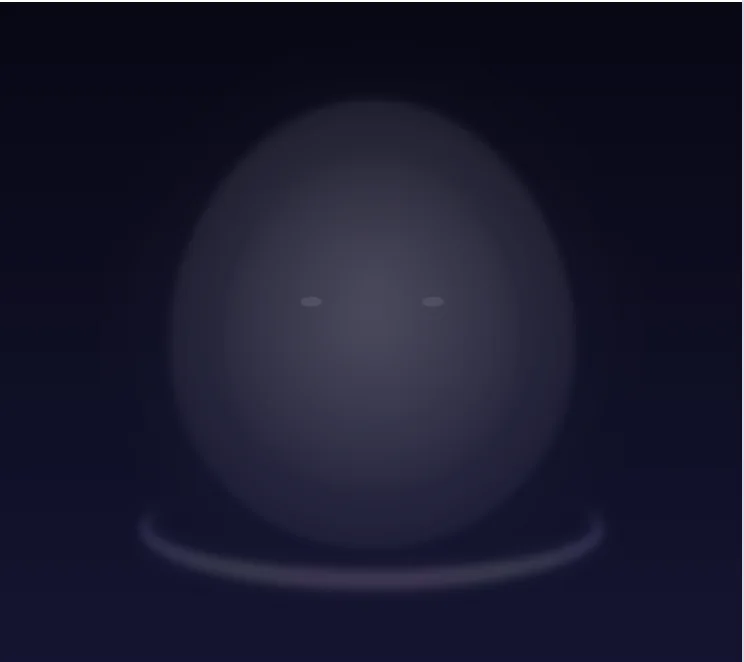
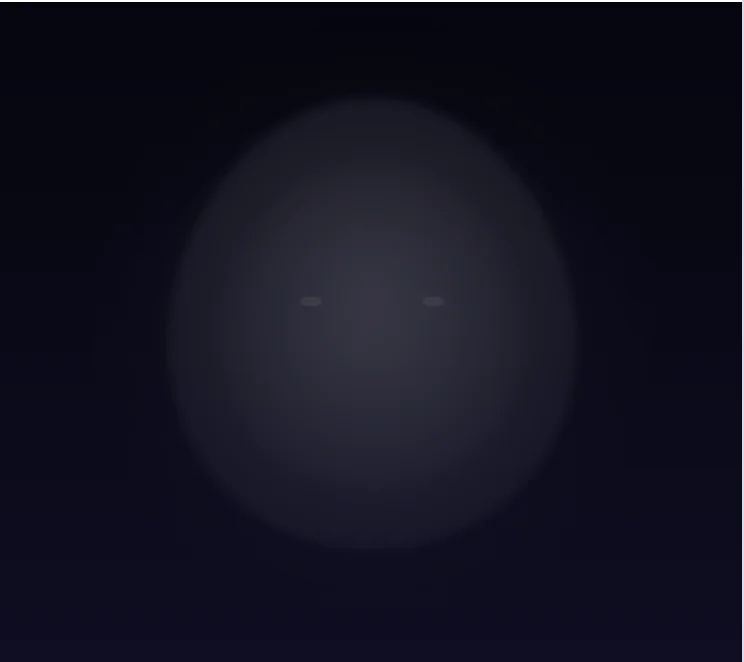
A light that comes and goes.
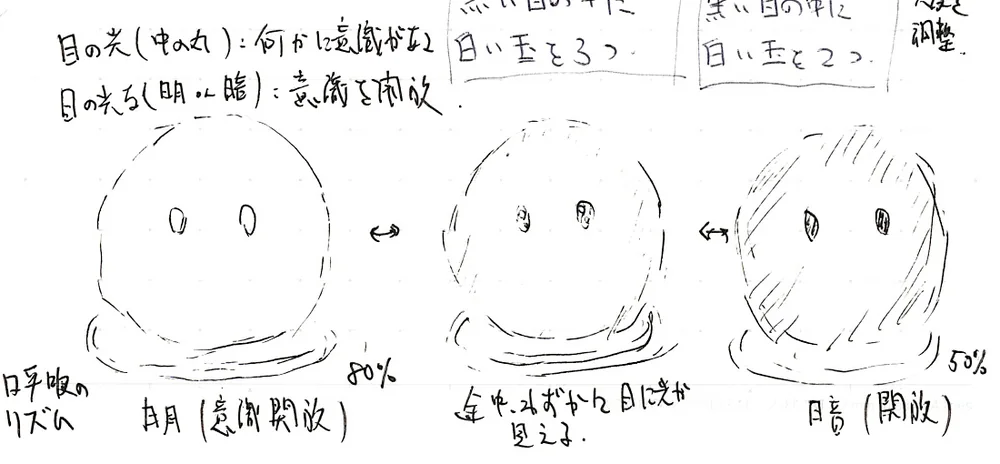
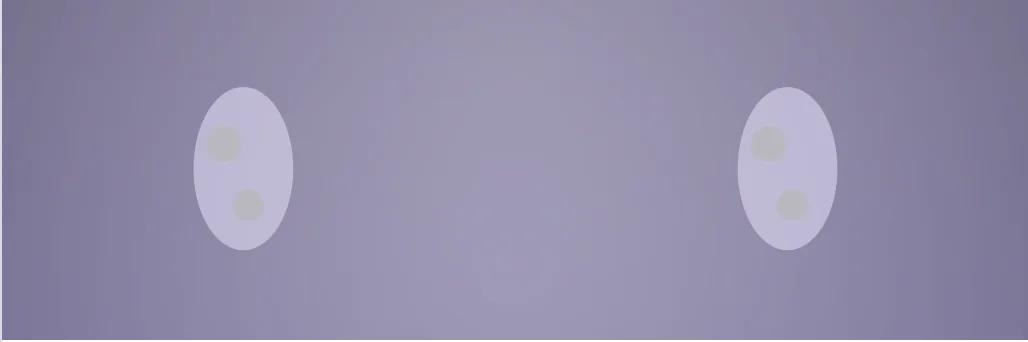
Pure black pupils looked like an insect's. They were lightened until they nearly vanished, then tied to the breath. At the brightest and darkest moments they melt into the eye; in between, they faintly appear. “Something surfaces in the mind — and is let go.”
Breathing, even at rest.
Before, the spirit only breathed once you touched it. Now it breathes while it waits — growing a little brighter over ten seconds, so slowly you may not notice. “Enough to feel, somewhere beneath awareness, that it is alive.”
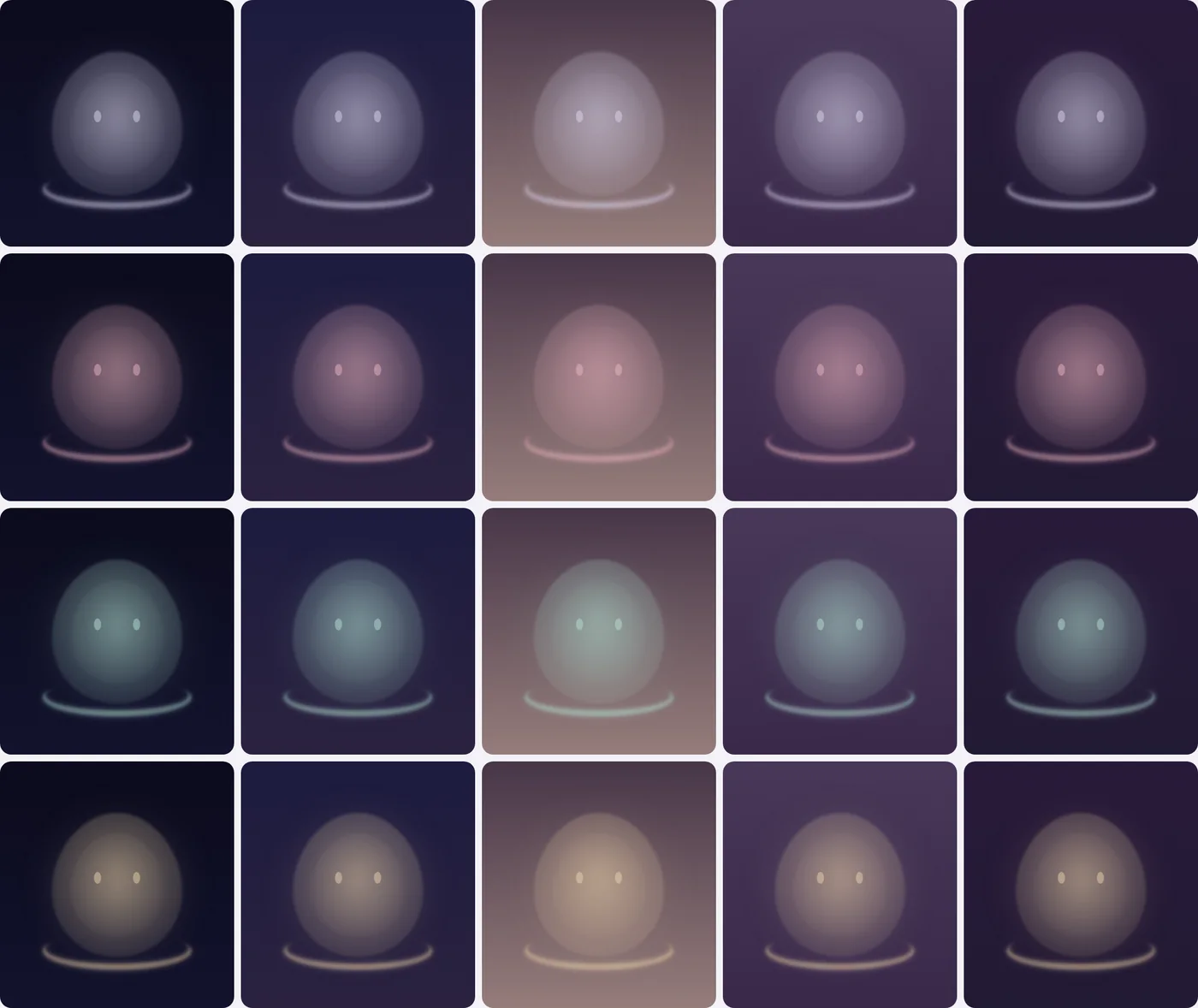
Four colours, five skies.
Moonstone, coral, mint and amber, under the five skies of the day. In daylight the pupils stood out, so they became a whisper of white over the eye's own colour.
05
The sound.
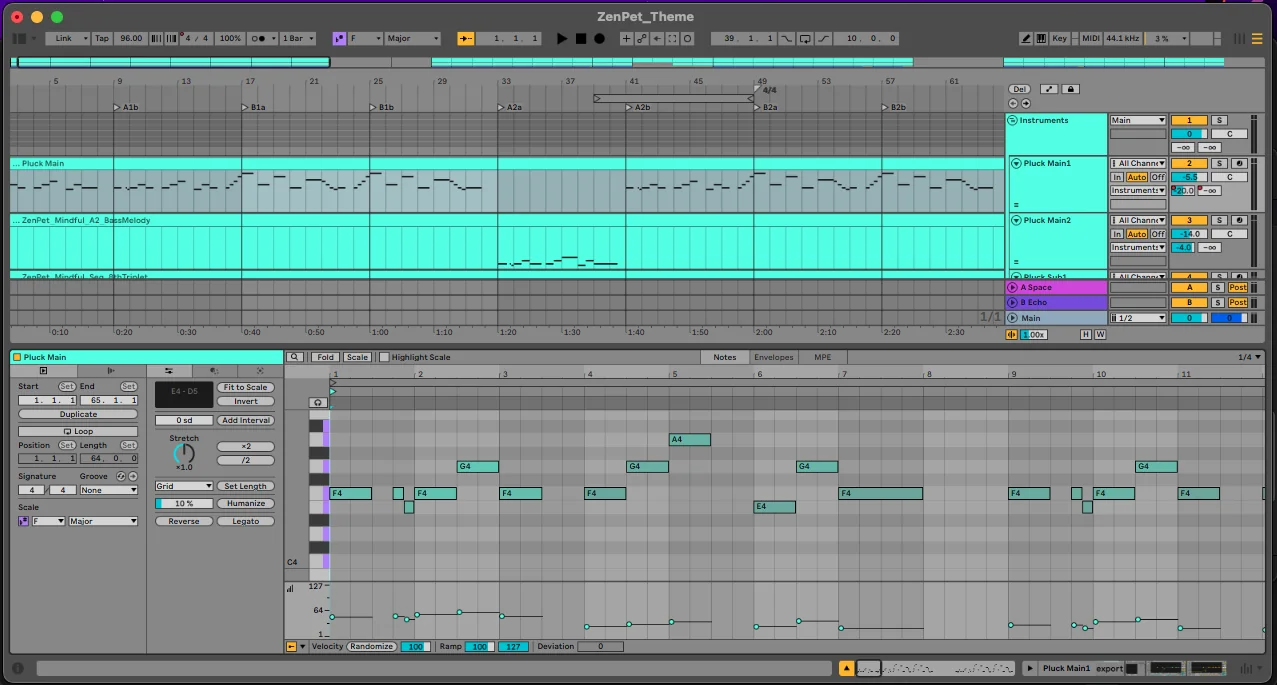
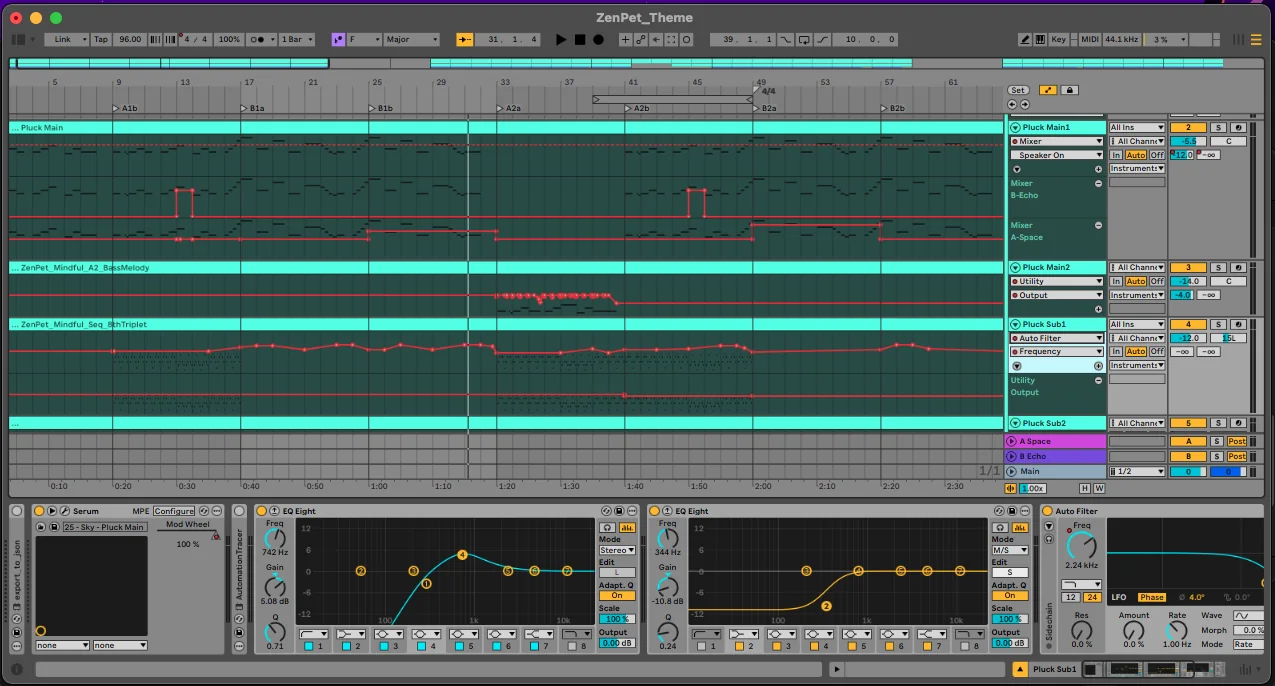
Breathing with the spirit felt right, but too silent. So the music came next, written in Ableton Live, almost entirely on synthesizers: a wide pad for the space, a plucked voice for the melody. The melody was found by hand — trying keys on a MIDI keyboard until one line stayed. The bass and chords were built under it, and the rest layered around.
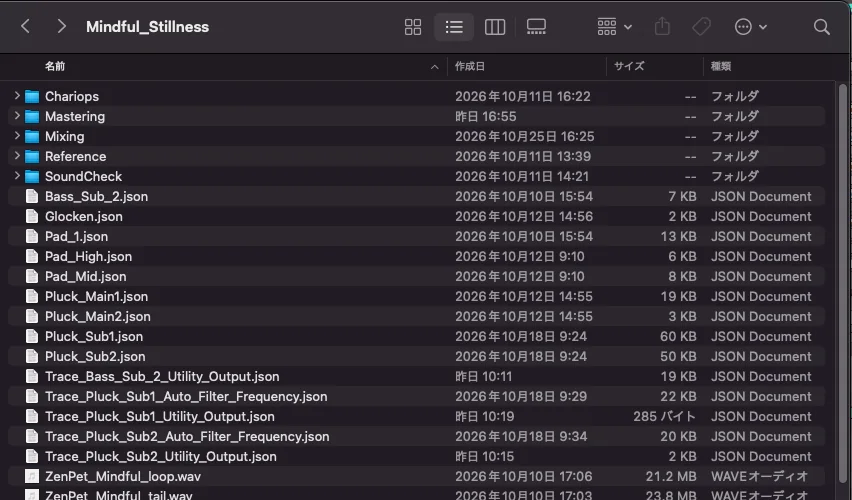
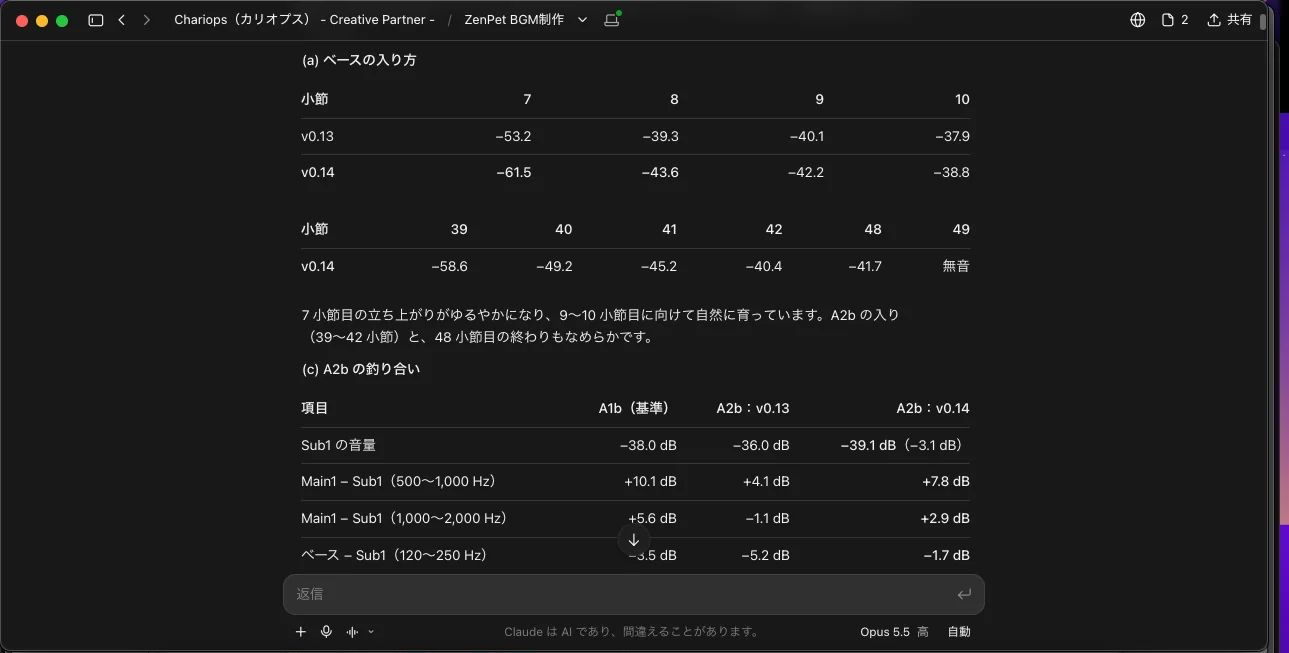
Then every part was exported as data with Max for Live, the mixes as audio, and both were examined with Claude: where notes clash, where a band of frequencies is crowded, where the arrangement thins out. The numbers pointed; the ears decided. “AI can assist. But the core of the song should come from a person.”
06
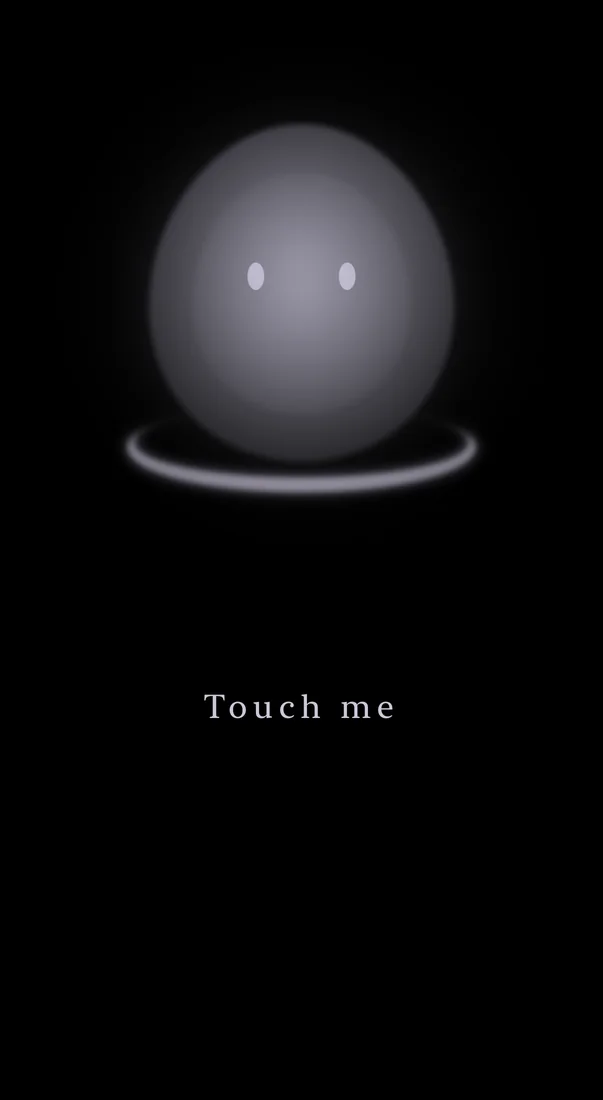
On the device.
The spirit as it lives in ZenPet, on iPhone and iPad.
07
More to come.
A short film and an essay on how ZenPet was made — the spirit, the app and the music — will follow after launch.
One decision at a time.
Sketches and music by Yungo Aartz, 2026.
Ableton Live, Max for Live, Claude, iPhone and iPad are trademarks of their respective owners.